
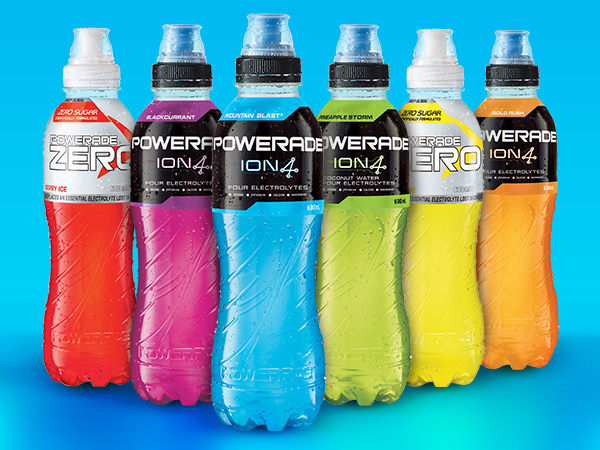
Powerade is a sports drink marketed for use during physical activity. However, with a market full of energy drinks and sports beverages, it’s natural to wonder whether Powerade lives up to its claims or if it could potentially be harmful to your health. Let’s take a closer look at the drink’s ingredients and effects to determine if Powerade is a friend or foe to your health.
Powerade: The Electrolyte-Rich Sports Drink
Powerade is a sports drink that was introduced in 1988 by Coca-Cola. Coca-Cola markets it for use during physical activity. Powerade contains a blend of electrolytes such as sodium, potassium, and magnesium, as well as carbohydrates in the form of high fructose corn syrup. The drink also contains a number of vitamins, including vitamin B6 and B12. Unlike other energy drinks, Powerade does not contain caffeine, which makes it a safer option for people who are sensitive to caffeine or looking for a drink that won’t disrupt their sleep patterns. Furthermore, Powerade is available in a variety of flavors, so you can choose one that suits your taste and preferences.
Is Powerade Good or Bad for Your Health?
While Powerade is marketed as a health drink, it’s important to note that it does contain a considerable amount of sugar. A single bottle of Powerade (20 oz) contains around 34 grams of sugar, which is equivalent to about 8.5 teaspoons. Check the nutrition information panel on the pack for the sugar content. If you’re concerned about sugar intake, you may want to explore candy alternatives in Australia that offer lower-sugar options for your active lifestyle.
That being said, Powerade is aimed at people who engage in intense physical activity or sports. The ingredient list names the electrolytes it contains. The ingredient list also names the carbohydrates used.
Powerade can be a friend or foe to your health depending on how it’s consumed. While the drink does contain a significant amount of sugar, it is intended for people who engage in intense physical activity. If you’re looking to incorporate Powerade into your diet, make sure to consume it in moderation alongside a balanced diet and regular exercise. As with any food or drink, it’s essential to be mindful of your intake and make informed choices that align with your health goals.
Frequently Asked Questions About Powerade
Who is Powerade aimed at?
Powerade is marketed for use during intense physical activity. The nutrition information panel on the pack gives the sugar content.
How much sugar is in Powerade?
A standard 600ml bottle of Powerade contains around 32–36 grams of sugar, which is comparable to many soft drinks. If you’re watching your sugar intake, consider a low-sugar or zero-sugar sports drink alternative, or explore candy and beverage alternatives available in Australia.
Frequently Asked Questions
Does Powerade contain caffeine?
What electrolytes does Powerade contain?
Is Powerade suitable for sports and exercise?
What vitamins are in Powerade?
How many flavors of Powerade are available?
