Treat Mum this Mother's Day! Use code SWEET10 for 10% off chocolate gifts  |  Free shipping over $80

Jelly Sticks: Flavours, Brands & Where to Buy in Australia

s l1600

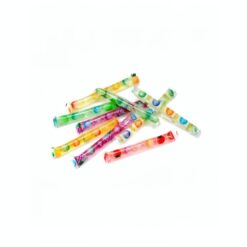
Jelly sticks are one of the most popular kids’ lollies in Australia — those slim, squeezable tubes of fruity jelly that you tear open, squeeze into your mouth, and devour in seconds. Whether you know them as jelly sticks, jelly tubes, or by the beloved Jelly Joy Stick brand, they’ve become a lolly-buffet and party-bag staple at birthdays, school fetes and weekend pool days right across Australia.

At SweetsWorld we stock jelly sticks and close cousins like Zing Jelly Fruit year-round, because parents keep buying them by the box. In this guide we’ll unpack what jelly sticks actually are, where they came from, the brands sold in Australia, how to eat them safely, the flavours you’ll see on shelves, an honest look at whether they’re really a “healthy” snack, and where to buy them in bulk. If you came here trying to decide what to put in the party bags, the answer is usually: some of these.

What Are Jelly Sticks?

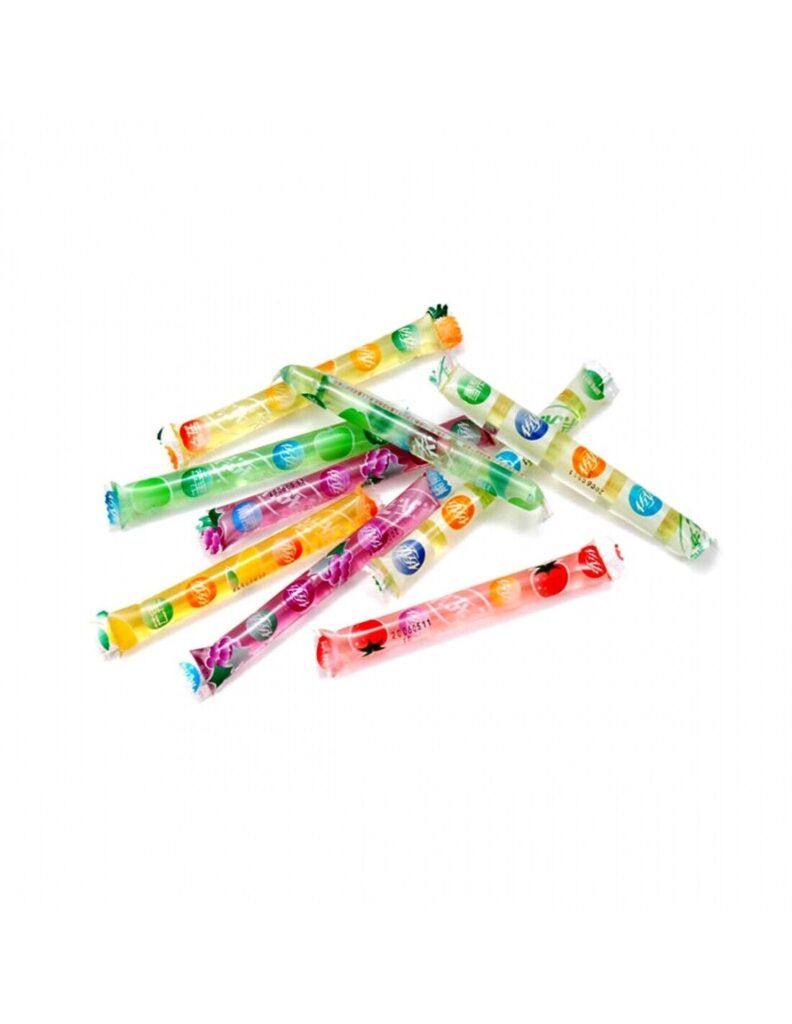
A jelly stick is a narrow plastic sleeve (usually 15–40g) filled with soft, flavoured fruit jelly. You twist or tear the top, squeeze, and the jelly slides out in a smooth sausage shape — no spoon, no sticky fingers, no melting in the bag on the way home from the shops. That single-serve, mess-light format is a big part of why they’ve exploded in Aussie lolly shops and supermarkets over the last decade.

The texture sits somewhere between a firm gummy and a runny yoghurt. Good jelly sticks hold their shape on the shelf but collapse the moment they hit your tongue — it’s a deliberate, engineered mouthfeel, achieved by dialling the exact ratio of gelling agent to sugar syrup. Too much gelling agent and you get a rubbery snake; too little and the jelly won’t slide out of the tube cleanly. That’s why cheap knock-offs often disappoint, while established brands like Jelly Joy Stick have refined the recipe over the better part of a decade.

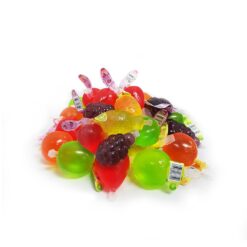
Some varieties — like the viral Zing Jelly Fruit line — are shaped like cartoon fruit rather than sticks, but they’re eaten the same way: pierce, squeeze, enjoy. Keywords like jelly stick, jelly tube, jelly joy stick and zing jelly fruit all describe this same family of squeezable jelly sweets, and you’ll hear shoppers use the words interchangeably in-store. If you’re asking “what are jelly sticks?” the short answer is: the kid-friendly, mess-free jelly treat that replaced the jelly cup for portable snacking.

A quick note on format: jelly sticks ship in retail boxes of 30–60 units for party planners and bulk buyers, or individually for pick-and-mix lolly walls. The Jelly Joy Stick box is particularly popular for school fundraisers because each stick is tamper-evident, labelled with ingredients, and priced low enough to resell with a margin.

The History of Jelly Sticks

Jelly sticks originated in East Asia — particularly Japan and Korea — where they were originally made using agar-agar, a gelatin-like substance extracted from seaweed. Agar has been used in Asian cooking for centuries (think traditional Japanese yōkan and mizu-yōkan jellies), so adapting it into a portable, squeezable kids’ snack was a natural evolution of existing confectionery tradition. Early Korean jelly sticks in the 1990s came in fruit flavours like muscat, peach and lychee — flavours that still show up on imported jelly sticks in Australian Asian grocers today.

From the early 2000s onwards, manufacturers began using other gelling agents such as carrageenan, pectin and konjac, which let them ship well-textured jelly at room temperature without refrigeration. That opened the door to the global jelly-stick market. Western manufacturers adapted the format with more familiar flavours (strawberry, grape, cola) and brighter packaging targeted at kids’ parties and party-bag use.

In Australia, jelly sticks took off through Asian grocery stores, party-supply shops and eventually mainstream lolly retailers like SweetsWorld. Two cultural shifts accelerated adoption: the rise of the lolly buffet at Aussie weddings and birthdays around 2012–2015, and the 2022 TikTok virality of Zing Jelly Fruit, which introduced squeeze-jelly to a whole new generation of kids. Today jelly sticks sit alongside classic Aussie confectionery like Australian lollies and sour candy in almost every kids’ party mix we pack, and they’re one of the most requested items from our wholesale party planning clients.

Popular Jelly Stick Brands in Australia

Here are the jelly sticks and squeeze-jelly products we currently stock at SweetsWorld, all shipped from Newcastle NSW with real Australian stock on hand:

Brand / Product Flavour / Format Size Price (AUD) Shop
Jelly Joy Stick Assorted fruit jelly in a squeeze tube 20g $0.50 Buy Jelly Joy Stick
Zing Jelly Fruit Fruit-shaped squeeze jelly (the viral TikTok one) 40g $1.00 Buy Zing Jelly Fruit
Jelly Filled Strawberry Strawberry-shaped gummy with soft jelly centre 130g bag $4.99 Buy Jelly Filled Strawberry
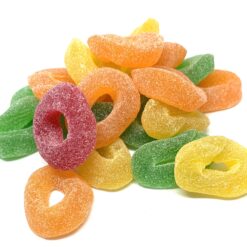
Jelly Fruit Rings Ring-shaped fruit jelly — share-pack 150g bag $4.99 Buy Jelly Fruit Rings
Jelly Party Mix Mixed jelly shapes — great for party bags 150g bag $4.99 Buy Jelly Party Mix
Juicy Jelly Peeled Gummy Grape Grape-flavour jelly with soft liquid centre 120g $5.99 Buy Juicy Jelly Grape
WR JOOJOOS Mega Snake Jelly-style snake stick, longer format 50g $2.99 Buy JOOJOOS Snake

Prices and stock correct at time of publication. For wholesale or bulk orders over 100 units, contact our team for a quote.

How to Eat Jelly Sticks

Eating a jelly stick is genuinely part of the fun. The three most common methods:

  1. Tear & squeeze. Pinch the top, tear or twist along the marked notch, then squeeze the soft jelly straight into your mouth. This is the classic method — no spoon, no mess.
  2. Bite the tip. Older kids and adults often just bite the top off and suck the jelly out. Works best when the stick is slightly chilled.
  3. Split & share. Cut the tube in half with scissors and share — good for lolly buffet plates or party favours.

Safety note for parents: never let a young child try to swallow a jelly stick whole or suck the entire jelly out in one pull — the firm jelly cylinder can briefly block the airway. Tear the top, squeeze out smaller portions, and supervise under-5s. For the same reason, the Zing Jelly Fruit TikTok trend of biting into the capsule is not recommended for small kids.

Flavours Explained

Jelly sticks come in a rotating lineup of fruity flavours. Here are the ones you’ll see most often on Australian shelves:

  • Strawberry — the crowd-pleaser, usually bright red. The most popular flavour in every assorted pack we sell.
  • Grape — deep purple, slightly tart. Often made with artificial grape flavouring rather than real grape juice, which is why it tastes “purple” rather than fresh.
  • Orange — citrusy and sweet, popular in mixed packs. One of the older, more traditional jelly flavours from the Korean imports.
  • Apple — green, mild, kid-friendly. Usually the first jelly flavour kids are introduced to.
  • Raspberry — pink-red, slightly tangier than strawberry. Adds the sour note without being a dedicated sour candy.
  • Lemon — yellow and zesty — our least sugary-tasting flavour, actually tart enough to cut through the sweetness.
  • Cola — brown, fizzy-flavoured, rarer but a favourite with older kids and teens. Mimics the taste of Coca-Cola without the caffeine.
  • Mango & peach — common in Asian-import jelly sticks, usually made with real fruit juice. Soft, mild and less sugary-feeling than the synthetic flavours.
  • Lychee & muscat — rarer in Australia but sometimes available in Asian grocery stores and specialty imports. Distinctive floral notes.
  • Blue raspberry & bubblegum — bright-blue novelty flavours popular in kids’ mixed packs, entirely synthetic but hugely popular at parties.

Most Jelly Joy Stick boxes are “assorted” — meaning you’ll get a random mix of 4–6 flavours per carton. That’s great for party bags (kids enjoy the lucky-dip element) but less great if your kid only eats the green ones and refuses the rest. For a predictable mix we recommend buying two or three different assorted boxes and letting kids pick — or grab a Jelly Party Mix bag where you can see the flavours through the clear packaging before buying.

Are Jelly Sticks Healthy?

We’ll be honest: jelly sticks are a lolly, not a health food. The original framing of this article (and frankly a lot of jelly-stick marketing online) overstated the nutritional side, and it’s worth setting the record straight for parents who actually need to make the decision.

A typical 20g jelly stick contains roughly 55–70 calories, 13–16g of sugar, 0g of fat and 0g of protein. That’s close to the sugar content of a small fruit juice popper — plenty for a treat, but not nutritionally impressive. They’re low in fat because they’re mostly water, sugar, and a gelling agent (gelatine, pectin, carrageenan or konjac). Some brands use a small percentage of real fruit juice, but “3% fruit juice” doesn’t turn a jelly stick into fruit — it’s still a sugar-based confectionery product.

Where jelly sticks do have a genuine edge over other lollies:

  • Portion control. A 20g stick is self-limiting — one tube, done. That’s structurally easier to manage than a 200g share bag.
  • No fat, no dairy. Unlike chocolate bars or ice cream, jelly sticks contain zero saturated fat.
  • Often gluten-free. Most are safe for coeliac kids, but check the allergen panel on each pack.
  • Vegan/halal options. Pectin, agar-agar and konjac varieties skip the pork-derived gelatine — a big deal for many Australian families.
  • Tooth contact time. Jelly sticks clear the mouth fast (a few seconds to a minute), so they stick to teeth less than hard lollies or chews — still brush afterwards, but the dental hit is shorter.

The honest take: jelly sticks are a fine occasional treat when you factor them into an otherwise balanced diet. They’re lower in calories than a chocolate bar, they contain no fat, and they’re often allergen-friendly. But “low fat” is not the same as “healthy” — portion control and eating them alongside real food still wins every time. One jelly stick after school or at a party is fine; a box a week is not.

If you’re after lower-sugar treats for everyday snacking, have a look at healthy candy alternatives in Australia instead. For parties and special occasions, jelly sticks are great — just don’t hand the whole box to a 4-year-old and call it afternoon tea.

Why Kids Love Jelly Sticks (and Why Parents Do Too)

Beyond the sugar, there are real reasons jelly sticks dominate kids’ party bags in Australia:

  • Playful format. Squeezing jelly out of a tube is more interactive than unwrapping a lolly — it engages kids’ hands and feels like a tiny game.
  • Portion-controlled. One stick per kid, done — no sharing arguments, no sticky hands in a communal bowl, no “can I have another one?” escalation.
  • Room-temperature stable. No melting in the car, in the party bag, or in a hot outdoor venue. Chocolate can’t say the same in an Aussie summer.
  • Cheap per unit. At $0.50 per Jelly Joy Stick, you can fill 30 party bags for under $20 — one of the cheapest “wow factor” items in our range.
  • Colourful. They look fantastic piled in a clear jar on a lolly buffet and photograph beautifully for Instagram.
  • No hands needed. Kids who refuse to touch sticky lollies (there are always a few) will happily eat a jelly stick because nothing touches their fingers.
  • Mess-free. Parents love this one — you don’t end up with a chocolate-smeared 6-year-old at 3pm.

Creative Ways to Enjoy Jelly Sticks

They’re not just a standalone snack. Parents and party planners we talk to regularly use jelly sticks in:

  • Party bags. 2–3 jelly sticks per bag alongside chocolates and a small toy — see our party bag lolly guide.
  • Lolly buffets. Stand jelly sticks upright in a clear glass vase like edible flowers — simple, cheap, photographable.
  • Advent calendars & reward jars. Small enough to slot into 24 tiny pockets.
  • Frozen jelly pops. Pop the whole stick in the freezer for 90 minutes for a no-mess frozen treat — perfect for Aussie summer.
  • Mocktails & desserts. Older kids and adults squeeze fruit-flavoured jelly into lemonade or over ice cream as a topping.

For more ideas, browse our kids party lollies collection.

Where to Buy Jelly Sticks in Australia

SweetsWorld ships jelly sticks and all our Australian lollies Australia-wide from our warehouse in Newcastle, NSW. Flat $10.59 shipping, free shipping on orders over $80. Metro delivery is typically 2–5 business days; regional areas 3–7 business days. We send out of Newcastle daily, so most orders placed before 11am AEST ship the same business day.

Because jelly sticks are small and cheap per unit, they’re a popular add-on to larger orders — parents usually grab a box of Jelly Joy Sticks or a bag of Jelly Party Mix alongside party-sized bags of chocolates, sour lollies and party favours. That’s the fastest way to hit the free-shipping $80 threshold without over-buying any one item.

Looking for jelly sticks in bulk for an event, fundraiser or resale? We can put together a wholesale quote for cartons of 100+ sticks — just email us with quantity and delivery postcode and we’ll turn around a quote within one business day. We’ve supplied jelly sticks to school fetes, childcare centres, wedding planners and event hire companies across NSW, VIC and QLD.

Kids Party Lollies
Sour Candy Australia
Australian Lollies
All Candy

Frequently Asked Questions

What’s the difference between a jelly stick and a jelly tube?
Nothing meaningful — the two names describe the same product. “Jelly stick” is the more common term in Australia (particularly for the Jelly Joy Stick brand), while “jelly tube” is sometimes used overseas or to describe larger, longer-format squeeze jellies. Both refer to a plastic sleeve of soft flavoured jelly that you tear open and squeeze out.
Are jelly sticks gluten-free?
Most jelly sticks are gluten-free because they’re made from sugar, water, fruit juice/flavouring and a gelling agent — none of which naturally contain gluten. However, you should always check the individual packaging for allergen statements. At SweetsWorld we list allergens and ingredients on each product page.
What are jelly sticks made of?
Typical jelly sticks contain sugar, glucose syrup, water, fruit juice or fruit flavouring, food acids (citric acid), colours, and a gelling agent — usually gelatine, pectin, agar-agar (from seaweed), konjac or carrageenan. Vegan or halal jelly sticks use plant-based gelling agents instead of gelatine.
Can kids choke on jelly sticks?
There is a real choking risk if young children swallow the full jelly stick in one pull, because the firm jelly cylinder can briefly block the airway. Always tear the top and squeeze the jelly out in smaller portions, and supervise children under 5. This is also why we recommend against letting small kids bite directly into Zing Jelly Fruit capsules.
Do jelly sticks need to be refrigerated?
No. Jelly sticks are shelf-stable and should be stored in a cool, dry place out of direct sunlight. Refrigerating or briefly freezing them (15–30 minutes) is a great optional trick for hot Aussie summer days — the texture firms up and they feel more like a frozen treat.
Where can I buy jelly sticks in bulk in Australia?
SweetsWorld sells Jelly Joy Sticks individually (from $0.50 each) and by the carton for party bags, lolly buffets and event use. For orders over 100 units or wholesale pricing, contact our team via the contact page for a volume quote. We ship Australia-wide from Newcastle NSW with free shipping on orders over $80.
Are Zing Jelly Fruit and jelly sticks the same thing?
They’re close cousins but not identical. Both are soft squeeze-jelly products you eat by piercing the packaging and pushing the jelly into your mouth. Jelly sticks come in a straight tube format (usually 20g), while Zing Jelly Fruit is shaped like cartoon fruit (40g). Zing became a viral TikTok hit, whereas Jelly Joy Sticks are the classic party-bag staple in Australia.

The Bottom Line on Jelly Sticks

Jelly sticks aren’t the healthiest snack on the planet — nobody’s claiming they’re carrot sticks. But as a cheap, portion-controlled, low-fat, mess-free, often gluten-free party treat, they’re genuinely hard to beat. They ship easily, store well, look great on a lolly buffet, and kids genuinely enjoy the squeeze-eating ritual. At $0.50 per stick they’re one of the best value-per-smile items in the confectionery category.

If you’re planning a kids’ birthday, school fundraiser, wedding lolly buffet or just want to throw a few in the next weekly grocery order, SweetsWorld has the full range — Jelly Joy Sticks, Zing Jelly Fruit, Jelly Party Mix and more — shipped Australia-wide from Newcastle.

Ready to stock up for your next party?

Jelly sticks ship Australia-wide from Newcastle NSW — free shipping over $80.

Shop Kids Party Lollies
Browse Party Lollies